



Whoa! This stuff moves fast. Most wallet choices feel like a cryptic menu—options, tokens, networks—without a real guide. My first instinct was to pick the most popular extension and call it a day. Actually, wait—let me rephrase that: after a few near-misses (oh man, that one gas fee…), I started caring about how a wallet handles multiple chains and the tiny UX choices that keep you from giving away your keys.
Seriously? Yes. Multi-chain capability isn’t just a convenience. It changes how you interact with DeFi across Layer 1s, L2s, sidechains, and EVM-compatible networks. My instinct said, “somethin’ about this needs to be simple,” and that gut feeling pushed me into testing a bunch of extensions under real stress. On one hand I wanted speed; on the other hand I needed clear security affordances that wouldn’t trick me when I was tired or distracted.
Hmm… this part bugs me. Wallets often hide critical permissions behind tiny modals and checkbox fatigue. At first I thought a blanket permission model made sense, but then realized fine-grained approvals reduce attack surface dramatically, though they do add some clicks. The compromise—granular, reversible permissions with clear provenance indicators—feels like the right balance, even if it’s not perfect.
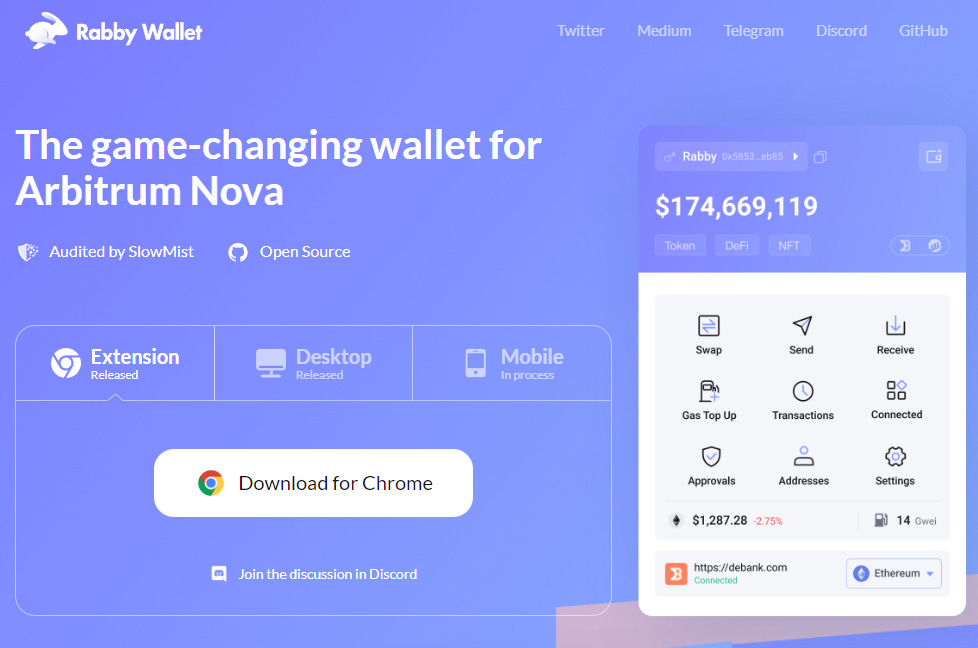
How I found the better flow with rabby wallet
Okay, so check this out—after bouncing between tabs and testnets I settled on a workflow that prioritized explicit approvals and transaction previews, and the rabby wallet fit into that flow naturally. Wow! The first few times it flagged a suspicious contract call I thought it was overzealous. Then I realized those flags saved me from two dumb mistakes I would’ve made late at night. On the whole, the interface steered me toward safer behavior without feeling like it was lecturing me, which matters more than you’d expect.
Whoa! Wallet ergonomics matter. Tiny UI nudges—like showing exact token amounts before approval, or a “revoke” button for recent approvals—change outcomes. I tested recovery flows, seed export prompts, and hardware-signing integrations across networks, and the patterns that repeated were predictable: clearer feedback equals fewer mistakes over time. So, design choices are security choices, and they compound when you switch chains often.
Seriously, this is important. Cross-chain swaps and bridges amplify risk because a mistake on one network often cascades to another. Initially I thought bridges were the main weak link, but then realized the wallet’s account abstraction and permission handling are equally critical. On one occasion a mis-labeled token made a transaction look harmless until I inspected the raw calldata; that moment taught me that transaction details are not optional—they’re essential, and wallets should surface them plainly and consistently.
Whoa! Permission history helped. Seeing a timeline of what contract called what and when gave me immediate context. I used that timeline to revoke a stray approval that had been lingering for months. The long-term payoff of recording and surfacing these interactions is huge, especially for power users who hop between DeFi rails and sometimes forget small approvals that are actually still active and dangerous.
Hmm… there’s trade-offs here. More prompts mean more friction, and not everyone will tolerate extra clicks. On the other hand, too few safeguards increase catastrophic risk. Initially I leaned toward minimal friction, but experiments showed me that a short, well-explained prompt prevents very bad outcomes later, especially when large sums are at stake. So the sweet spot is minimalism with explanatory affordances—concise, but not cryptic—and that’s a harder product problem than it looks.
Whoa! Hardware wallet support changes the calculus. If you can sign critical operations on-device, you reduce phishing and site-level exploits significantly. I tested a few Bluetooth and USB combos and liked when the extension made it obvious which signatures required external confirmation. The messaging around “requires hardware confirmation” must be unmistakable and persistent, because users skip warnings when they’re tired—it happens, very very often.
Seriously? Recovery UX can be a disaster. Seed phrases are brittle; social recovery and hardware-assisted options feel modern and safer for many people. I tried social recovery models where guardians could help rebuild access and found them surprisingly usable, though they introduce new trust assumptions. On the other hand, custodial fallbacks have their own risks, so I remain biased toward noncustodial solutions that make recovery less terrifying without centralizing control.
Whoa! Privacy leaks are subtle. Address reuse and metadata from RPC endpoints can fingerprint your activity across chains, and that surprised me. I wasn’t 100% sure how much privacy mattered until I traced a few interactions back to a single node provider. The lesson: wallets should encourage account hygiene and give users easy options to rotate or isolate accounts, because privacy is a security vector too—sometimes the weakest link.
Hmm… integration with dapps is messy. Standards like EIP-1193 are helping, but connectors still vary in behavior and naming, which leads to inconsistent prompts. Initially I assumed dapp developers would harmonize quickly, but the ecosystem is fragmented, so resilient wallets need defensive defaults and clear explanations when defaults change. That expectation management prevents users from assuming that “connected” equals “safe.”
FAQ
Is a multi-chain wallet necessary if I only use one chain?
Short answer: maybe not, but it helps. Whoa! If you truly never leave one chain then a focused wallet may be fine. However, many protocols and bridges can require interacting with more than one chain unexpectedly, and having built-in multi-chain awareness prevents accidental approvals and token mismatches down the road. On balance, starting with a wallet that understands multiple chains gives you room to grow safely.
How do I reduce phishing risk with a browser extension?
Stop and think before signing. Seriously? Always check the contract address and the exact permissions requested. Use hardware confirmations for high-value transactions, and keep a revocation habit—revoke approvals you no longer need. If a wallet offers clear transaction previews, use them; if it doesn’t, treat every signature as suspicious until proven harmless.
What should I look for when evaluating a browser wallet?
Look for transparent permissions, hardware support, granular revoke controls, and clear transaction previews. Hmm… also value good recovery options and privacy features. I’m biased, but I think wallets that nudge safe behavior without being obtrusive hit the best balance for most DeFi users.